Introduction to Cell Damage and Oxidative Stress
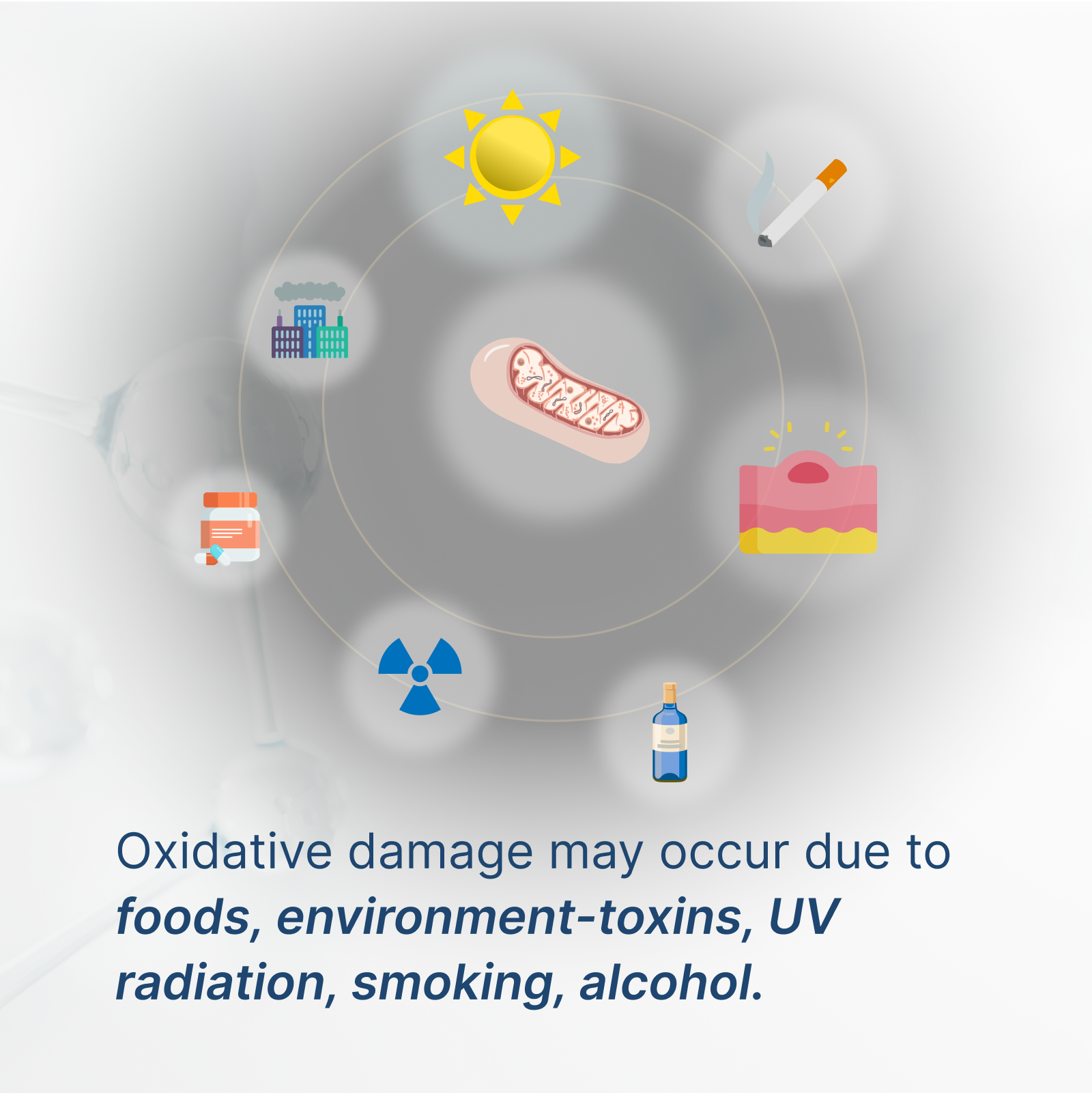
Cell damage and oxidative stress are fundamental biological processes studied across molecular biology, toxicology, neuroscience, aging research, and disease modeling. Oxidative stress occurs when the production of reactive oxygen species (ROS) exceeds the cellular antioxidant defense capacity, leading to damage of DNA, proteins, lipids, and organelles. Authoritative educational explanations of oxidative stress biology are available from https://www.ncbi.nlm.nih.gov/books/NBK26890/ and https://www.niehs.nih.gov/health/topics/science/oxidative-stress/index.cfm.
Cell Damage & Oxidative Stress Assay Kits provide standardized, reproducible laboratory methods to quantify oxidative stress markers, antioxidant capacity, and cellular injury in experimental systems. These kits are designed exclusively for research use and support controlled investigations into cellular stress mechanisms.

Biological Basis of Oxidative Stress and Cellular Damage
Reactive Oxygen Species (ROS) Generation
Reactive oxygen species—including superoxide anions, hydrogen peroxide, and hydroxyl radicals—are produced during normal cellular metabolism, particularly in mitochondria. When ROS levels become excessive, they can disrupt cellular homeostasis. Educational resources from https://www.ncbi.nlm.nih.gov/pmc/articles/PMC5452155/ and https://www.ncbi.nlm.nih.gov/books/NBK531491/ describe how ROS influence cell signaling and damage pathways.
Cell Damage & Oxidative Stress Assay Kits enable:
-
Quantitative detection of intracellular ROS
-
Comparative analysis of oxidative stress levels across treatments
-
Time-course studies of ROS accumulation
-
Evaluation of redox imbalance in experimental models
Oxidative Damage to Biomolecules
Oxidative stress affects multiple cellular components simultaneously. DNA oxidation, lipid peroxidation, and protein carbonylation are widely studied indicators of cellular injury. Background reading on oxidative macromolecule damage is available at https://www.ncbi.nlm.nih.gov/pmc/articles/PMC3614697/ and https://www.genome.gov/genetics-glossary/Oxidative-Damage.
Assay kits allow laboratories to measure:
-
Oxidized DNA markers (e.g., 8-oxo-dG)
-
Lipid peroxidation products
-
Protein oxidation and carbonyl content
-
Global indicators of cell damage
These endpoints are frequently assessed in toxicology and stress biology research supported by https://www.epa.gov/chemical-research.
Antioxidant Defense Systems
Cells rely on enzymatic and non-enzymatic antioxidant systems to neutralize ROS. Key components include superoxide dismutase (SOD), catalase, glutathione, and peroxidases. Government and academic resources such as https://www.ncbi.nlm.nih.gov/books/NBK556084/ and https://www.niehs.nih.gov/health/topics/science/antioxidants/index.cfm describe these protective mechanisms in detail.
Cell Damage & Oxidative Stress Assay Kits support:
-
Measurement of total antioxidant capacity
-
Enzyme activity assays for antioxidant defenses
-
Redox balance comparisons between experimental groups
-
Functional studies of oxidative stress mitigation
Laboratory Applications of Cell Damage & Oxidative Stress Assay Kits
Toxicology and Environmental Stress Research
Oxidative stress is a central mechanism in toxicological studies evaluating chemical exposure and environmental hazards. Government-supported research initiatives such as https://www.epa.gov/sciencematters/role-oxidative-stress-toxicology and https://www.niehs.nih.gov/research/supported/health_science/toxicology/index.cfm highlight the importance of oxidative stress assays in environmental health sciences.
Assay kits enable controlled laboratory studies of:
-
Chemical-induced oxidative injury
-
Dose-dependent cellular stress responses
-
Protective effects of antioxidant interventions
Neuroscience and Neurobiology
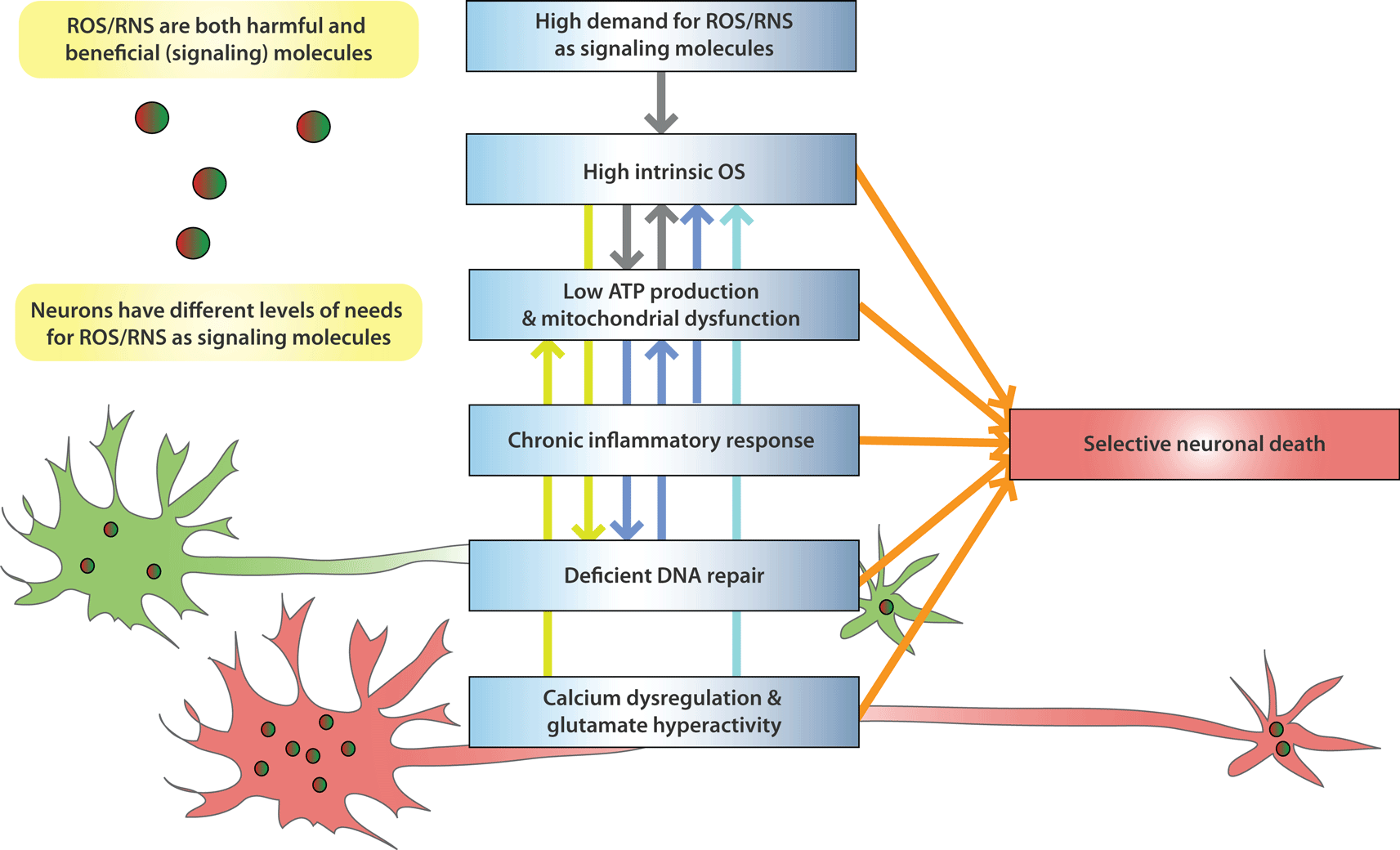
Neuronal cells are particularly sensitive to oxidative damage due to high metabolic demand and limited regenerative capacity. Educational resources from https://www.ninds.nih.gov/health-information/disorders and https://www.ncbi.nlm.nih.gov/pmc/articles/PMC5579396/ discuss oxidative stress mechanisms in neuronal models.
Cell Damage & Oxidative Stress Assay Kits are widely used to:
-
Study redox imbalance in neuronal cultures
-
Assess mitochondrial stress in neural cells
-
Investigate oxidative signaling in synaptic function
Mitochondrial Function and Energy Metabolism
Mitochondria are both a major source and a primary target of ROS. Oxidative stress can impair mitochondrial respiration and ATP production. Background information on mitochondrial oxidative stress can be found at https://www.ncbi.nlm.nih.gov/books/NBK562197/ and https://www.genome.gov/about-genomics/fact-sheets/Mitochondrial-Disease-Fact-Sheet.
Assay kits enable researchers to evaluate:
-
Mitochondrial ROS generation
-
Oxidative damage associated with metabolic stress
-
Redox changes linked to energy metabolism
Aging and Cellular Senescence Research
Oxidative damage accumulation is a well-established feature of cellular aging and senescence. Academic discussions from https://www.ncbi.nlm.nih.gov/pmc/articles/PMC4841512/ and https://www.nia.nih.gov/news/how-oxidative-stress-affects-aging highlight the relevance of oxidative stress assays in aging research.
Cell Damage & Oxidative Stress Assay Kits support:
-
Longitudinal studies of oxidative damage
-
Comparison of young versus senescent cell populations
-
Evaluation of stress resistance mechanisms
Drug Discovery and Safety Screening
In early-stage drug discovery, oxidative stress assays are commonly used to assess compound-induced cellular stress. Government-supported toxicological screening programs described at https://www.niehs.nih.gov/health/topics/science/tox21/index.cfm emphasize the value of cell-based oxidative stress measurements.
Assay kits provide scalable tools for:
-
Screening compound-induced oxidative injury
-
Comparing cytotoxic and non-cytotoxic conditions
-
Supporting mechanistic safety evaluations
Advantages of Cell Damage & Oxidative Stress Assay Kits
From a laboratory operations perspective, these assay kits offer:
-
Optimized and validated reagents
-
High sensitivity for detecting early oxidative changes
-
Compatibility with cell lines, primary cells, and tissue extracts
-
Scalability for low- and high-throughput research
These features align with best laboratory practices promoted by research training initiatives such as https://oir.nih.gov/sourcebook/ethical-conduct/responsible-conduct-research-training.
Integration with Multi-Omics and Systems Biology
Cell Damage & Oxidative Stress Assay Kits are increasingly integrated with transcriptomics, proteomics, and metabolomics to provide a systems-level view of cellular stress responses. Government-funded initiatives such as https://www.genome.gov/Funded-Programs-Projects/Epigenomics-Program and https://www.ncbi.nlm.nih.gov/guide/toxicology/ support the use of redox biology data in integrative research models.
Conclusion
Cell Damage & Oxidative Stress Assay Kits are essential tools for investigating how cells respond to internal and external stressors. By enabling reproducible measurement of ROS production, antioxidant defenses, and oxidative damage, these kits help laboratories translate complex redox biology into reliable experimental data.
Designed strictly for research use, Cell Damage & Oxidative Stress Assay Kits support discovery-driven science across toxicology, neuroscience, aging research, and molecular biology—aligning with the educational standards, methodologies, and best practices established by leading .edu and .gov research institutions worldwide.