Introduction to Trypsin in Biological Research
Trypsin is a well-characterized serine protease that catalyzes the cleavage of peptide bonds at the carboxyl side of lysine and arginine residues. While classically associated with digestive physiology, trypsin is also extensively used as a model protease in biochemical, cell biology, enzymology, and drug discovery research. Foundational educational overviews of proteases and trypsin biology are available from https://www.ncbi.nlm.nih.gov/books/NBK554389/ and https://www.genome.gov/genetics-glossary/Protease.
Trypsin Assay Kits provide standardized, sensitive, and reproducible laboratory methods for quantifying trypsin activity in purified enzyme preparations, biological samples, and experimental systems. These kits are designed strictly for research use and support controlled investigations of protease function and regulation.
Biological and Biochemical Basis of Trypsin Activity
Trypsin as a Serine Protease
Trypsin belongs to the serine protease family and utilizes a conserved catalytic triad to hydrolyze peptide bonds. Detailed molecular descriptions of serine protease mechanisms are provided by https://www.ncbi.nlm.nih.gov/books/NBK545215/ and https://www.ncbi.nlm.nih.gov/pmc/articles/PMC5447912/.
Trypsin Assay Kits enable researchers to:
-
Quantify enzymatic proteolytic activity
-
Compare activity under different experimental conditions
-
Study enzyme kinetics and substrate specificity
-
Evaluate protease activation or inhibition

Regulation and Inhibition of Trypsin
In biological systems, trypsin activity is tightly regulated by endogenous inhibitors to prevent uncontrolled proteolysis. Educational resources on protease regulation can be found at https://www.ncbi.nlm.nih.gov/books/NBK26900/ and https://www.ncbi.nlm.nih.gov/pmc/articles/PMC3614697/.
Trypsin assay kits support:
-
Measurement of active versus inhibited trypsin
-
Evaluation of protease inhibitor efficacy
-
Comparative analysis of regulatory mechanisms
-
Functional assessment of enzyme control systems
Types of Trypsin Assay Formats
Colorimetric and Fluorometric Assays
Most trypsin assays rely on synthetic peptide substrates that release a chromogenic or fluorogenic signal upon cleavage. Educational protocol explanations are available from https://www.ncbi.nlm.nih.gov/pmc/articles/PMC5483543/ and https://www.ncbi.nlm.nih.gov/books/NBK556084/.
Trypsin Assay Kits enable:
-
Quantitative detection of protease activity
-
High sensitivity and broad dynamic range
-
Time-course and kinetic measurements
-
Compatibility with microplate readers
Kinetic and Inhibition Studies
Trypsin is frequently used as a benchmark enzyme for enzymology and inhibitor screening. Academic discussions of enzyme kinetics are available at https://www.ncbi.nlm.nih.gov/books/NBK545215/ and https://www.genome.gov/genetics-glossary/Enzyme-Kinetics.
These kits allow:
-
Determination of reaction rates
-
Comparison of inhibitor potency
-
Functional characterization of protease modulators
-
Standardized enzymology workflows
Laboratory Applications of Trypsin Assay Kits
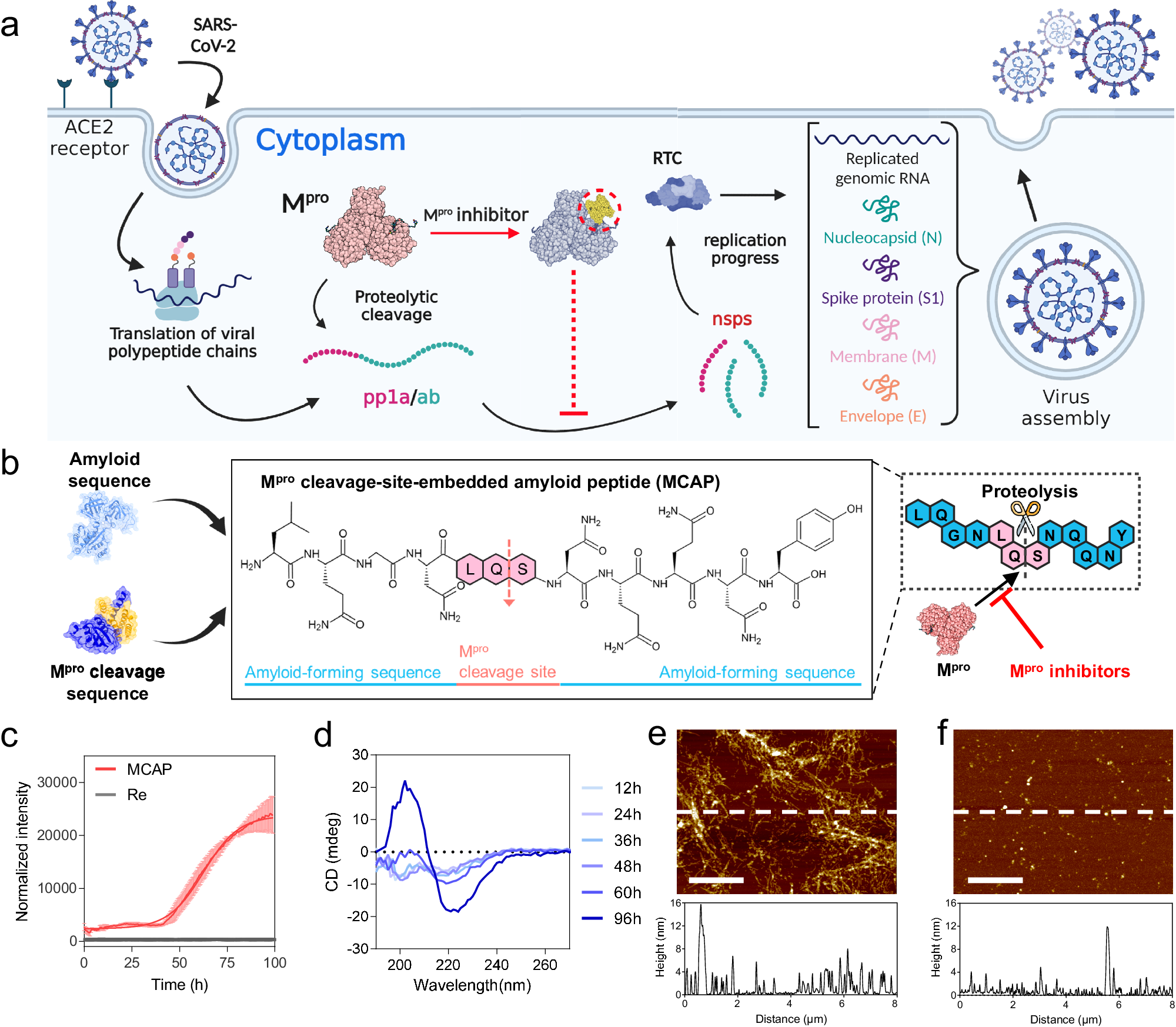
Enzymology and Biochemistry Research
Trypsin is widely used as a reference enzyme in enzymology studies. Trypsin Assay Kits support fundamental research into catalytic mechanisms, substrate recognition, and enzyme kinetics, as outlined in https://www.ncbi.nlm.nih.gov/books/NBK554389/ and https://www.ncbi.nlm.nih.gov/guide/biochemistry/.
Drug Discovery and Protease Inhibitor Screening
Proteases are important molecular targets in discovery research. Government-supported screening initiatives such as https://www.niehs.nih.gov/health/topics/science/tox21/index.cfm emphasize the value of standardized enzyme assays.
Trypsin Assay Kits enable:
-
Screening of protease inhibitors
-
Dose-response and kinetic inhibition studies
-
Comparative evaluation of compound effects
-
Mechanistic enzymology analysis
Cell Biology and Biotechnology Applications
Trypsin is commonly used in cell culture workflows for cell dissociation. Assay kits allow researchers to monitor trypsin activity and optimize experimental conditions, consistent with best practices described at https://www.ncbi.nlm.nih.gov/books/NBK26844/ and https://www.ncbi.nlm.nih.gov/guide/cellbiology/.
Toxicology and Safety Research
Protease activity assays are useful in evaluating enzyme-mediated cellular stress or tissue degradation. Educational materials from https://www.epa.gov/chemical-research and https://www.niehs.nih.gov/research/supported/health_science/toxicology/index.cfm highlight the role of enzyme assays in toxicological studies.
Protease Biology and Comparative Studies
Trypsin Assay Kits are also used as benchmarks for comparing different proteases within the serine protease family. Background reading on protease families is available at https://www.ncbi.nlm.nih.gov/books/NBK554389/ and https://www.genome.gov/genetics-glossary/Protease-Family.

Advantages of Trypsin Assay Kits in Research Laboratories
From a practical laboratory perspective, Trypsin Assay Kits offer:
-
Optimized and validated reagents
-
High sensitivity and reproducibility
-
Compatibility with purified enzymes and complex samples
-
Scalable formats for low- and high-throughput studies
These advantages align with best laboratory practices promoted by research integrity initiatives such as https://oir.nih.gov/sourcebook/ethical-conduct/responsible-conduct-research-training.
Integration with Broader Protease Research Workflows
Trypsin Assay Kits are frequently integrated with proteomics, inhibitor screening, and structural biology studies. Government-funded research programs highlighted by National Institutes of Health emphasize the importance of standardized enzymatic assays in understanding protein function and regulation.
Educational workflow resources are available at https://www.ncbi.nlm.nih.gov/guide/proteomics/ and https://www.genome.gov/Funded-Programs-Projects.
Conclusion
Trypsin Assay Kits are essential research tools for studying protease activity, enzyme kinetics, and regulatory mechanisms. By providing sensitive, reproducible, and standardized measurement of trypsin activity, these kits support discovery-driven research across biochemistry, cell biology, toxicology, and drug discovery.
Designed strictly for research use, Trypsin Assay Kits translate fundamental protease biology into reliable laboratory assays—fully aligned with the educational standards, methodologies, and best practices established by leading .edu and .gov research institutions worldwide.